Why Your Stomach Hurts When You Sit but Eases When You Stand
If your lower belly aches the moment you settle into a chair and quietly fades when you stand, stretch, or take a short walk, that detail is your single most useful clue. Pain that’s positional—triggered by sitting, relieved by standing—is exactly what most generic “causes of abdominal pain” lists ignore.
The good news first: when pain reliably tracks with position rather than appearing randomly or escalating no matter what you do, it usually points to mechanical, functional, or ergonomic causes—not emergencies. Sitting folds your torso forward, compresses your abdomen, slows the movement of gas through your intestines, and loads specific muscles and nerves in ways standing doesn’t. Standing reverses most of that, which is why relief feels so immediate.
Over the next few sections, we’ll unpack the main mechanisms behind this pattern: physical compression from posture and waistbands, slowed gas transit while you’re hunched, and core or nerve strain (including a commonly missed condition called ACNES). Then we’ll get into concrete fixes you can do without leaving your desk—and a clear, non-alarmist red-flag checklist so you know exactly where reassurance ends and a doctor’s visit begins.
How Sitting Compresses Your Abdomen and Slows Digestion
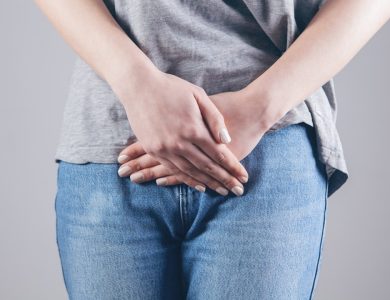
Picture your abdomen as a packed suitcase. When you sit and slouch, you’re folding that suitcase in half at the hips—and everything inside gets crammed into less space. Your stomach, small intestine, and colon all get crowded together, which is why a position that should feel restful can quietly turn uncomfortable.
Here’s the chain reaction. That forward-folded posture compresses your gut and slows the normal transit of gas through your intestines. Gas that would otherwise keep moving gets trapped, building up pressure you feel as bloating, a dull ache, or sharp cramping low in the belly. The longer you stay folded, the more it accumulates.
External pressure makes it worse. A tight waistband, a snug belt, or stiff jeans press inward on an abdomen that’s already squeezed, adding a second layer of compression you don’t notice until you stand and feel the relief of unbuttoning. According to Cleveland Clinic, this kind of mechanical, positional gut discomfort is one of the most common and benign sources of abdominal pain in otherwise healthy adults.
When you stand or walk, the whole system reopens. Your torso lengthens, your organs regain room, and gentle movement stimulates the muscle contractions that push trapped gas along. That’s the telltale clue: if standing up reliably eases the ache, the cause is almost always mechanical and ergonomic—not something sinister happening inside.
Trapped Gas, Posture, and the Most Common Everyday Triggers
The overwhelming majority of positional stomach pain comes down to gas, posture, and a sluggish gut, not anything dangerous. The mechanism is the same fold-and-trap effect at your waistline: gas already in there pockets up against your gut wall, then releases the moment you straighten out. What loads the system in the first place is mostly diet and stillness.
Your diet usually loads the gun. Carbonated drinks deliver gas directly. Beans, cruciferous vegetables, onions, and high-fiber foods ferment in your colon and produce more of it. And eating quickly—common at a desk—means you swallow extra air with every bite.
Sitting also slows everything down. Per the U.S. Bureau of Labor Statistics, full-time workers average 8.5 hours of work on weekdays, much of it seated, and that stillness reduces the natural muscle contractions that move stool and gas along. The result is mild constipation and bloating a sedentary workday quietly compounds.
So if you’re hoping this is “just gas and posture,” the math is on your side—stack a gassy lunch on top of eight hours in a chair, and positional pain is almost the expected outcome.
When It’s Core Strain or a Pinched Nerve (ACNES)
Sometimes the pain isn’t coming from inside your gut at all—it’s coming from the wall that holds your gut in. Your abdominal muscles work harder than you’d think to keep you upright in a chair, and when you slump for hours without real lumbar support, that wall takes the load. The result is a dull, achy strain that flares when you sit, and sometimes a sharper version called ACNES.
ACNES stands for anterior cutaneous nerve entrapment syndrome. In plain terms: a small nerve that runs through your abdominal wall gets pinched where it passes through the muscle, usually along the edge of the rectus abdominis (your “six-pack” muscle). Because sitting and slouching compress that area, the nerve gets squeezed and fires off a sharp, burning, pinpoint pain—often in one tiny spot you can cover with a fingertip.
Here’s a self-check clinicians actually use, called Carnett’s sign: press on the sore spot, then tense your abdomen by lifting your head or legs while still seated. If the pain gets worse when the muscle tightens, it points to the wall, not the organs underneath—deeper organ pain usually eases when the muscle guards over it.
ACNES is underdiagnosed but real, and the takeaway is reassuring: a localized, surface-level, tense-it-and-it-hurts pattern leans muscular and nerve-related, not toward an emergency.
Desk-Friendly Fixes You Can Do Without Leaving Your Chair
Most of the fixes that ease positional stomach pain take seconds and don’t require you to abandon your deadline. The trick is reopening the space between your ribs and hips that slumping squeezes shut.
Start with your setup. Raise your seat until your hips sit slightly above your knees, add lumbar support (a rolled towel works as well as a $40–$80 cushion), and lift your screen to eye level so you’re not folding forward to read. According to the CDC’s NIOSH guidance, a neutral, upright torso reduces the abdominal compression that traps gas and strains your core.
Quick mid-workday resets
- Loosen the waistband. A tight belt or pants button adds pressure exactly where you don’t want it. Unbutton or loosen by one notch while seated.
- Gentle seated twists. Hold the back of your chair and rotate your torso slowly each direction—this nudges trapped gas along.
- Hip shifts. Lean to one side, then the other, to relieve pressure on your lower abdomen.
- Deep belly breathing. Five slow breaths that expand your stomach (not your chest) massage the gut and calm cramping.
- Stand up every 30–45 minutes. Even 60 seconds restarts digestion’s natural flow.
Finally, time your meals. Eating a large or gas-prone meal right before a long seated stretch sets you up for discomfort. Aim to finish heavier meals 60–90 minutes before settling in, and swap rushed eating for slower bites to swallow less air.
Lifestyle and Routine Changes That Prevent It Coming Back
Quick fixes get you through the afternoon, but the real win is making the ache stop showing up at all. That comes down to a handful of habits that keep your core supportive and your digestion moving.
Build a stronger core. A weak midsection forces your spine and abdominal wall to slump when you sit, which is exactly what compresses your gut and strains nerves. You don’t need a gym—planks, dead bugs, and glute bridges a few times a week noticeably improve how long you can sit before discomfort creeps in.
Keep digestion flowing. The American Heart Association recommends roughly 25–30 grams of fiber daily, yet most US adults eat closer to 15. Pair that fiber with steady water intake and smaller, more frequent meals so gas and constipation don’t build up while you’re seated.
Break up the sitting. Stand or walk for a few minutes every 30–45 minutes. A sit-stand desk converter ($150–$300) makes this automatic instead of something you have to remember.
Hunt down your triggers. Over a week or two, jot down what you eat and when the pain flares. Common culprits—carbonated drinks, dairy, beans, artificial sweeteners—often reveal themselves fast once you’re watching for the pattern.
Red Flags: When Sitting-Related Stomach Pain Needs a Doctor
Here’s the line that matters: the moment your stomach pain stops following the rules, it stops being reassuring. The whole “positional and benign” pattern depends on one thing—pain that flares when you sit and eases when you stand or walk. When that pattern breaks, pay attention.
Get seen urgently (same day or ER) if you notice any of these:
- Severe or rapidly worsening pain that no longer eases when you stand up
- Fever alongside the abdominal pain
- Persistent vomiting, especially if you can’t keep liquids down
- Inability to pass gas or stool—a classic obstruction cue
- Blood in your stool, or black, tarry stool
- A hard, rigid, or visibly swollen abdomen that’s tender to touch
Those clusters point toward appendicitis or bowel obstruction, and both are time-sensitive. The American College of Emergency Physicians is blunt about it: sudden, severe abdominal pain is a “go now” symptom, not a “wait and see” one.
Book a routine appointment (within a week or two) if you have:
- Unexplained weight loss you didn’t intend
- Pain that wakes you from sleep
- Symptoms dragging on for several weeks despite posture and lifestyle fixes
These aren’t emergencies, but they deserve a doctor’s eyes rather than another chair adjustment. The simplest rule: if standing up reliably fixes it, you’re probably fine—and if it doesn’t, that’s your signal to stop self-treating.
What to Tell Your Doctor to Get Answers Faster
The difference between a productive appointment and a frustrating one often comes down to how you describe the pattern—because “my stomach hurts when I sit” sounds vague, but “the ache starts in my lower right abdomen after about 20 minutes in my desk chair and disappears within seconds of standing” hands your doctor a real diagnostic clue.
Walk in with the specifics already organized:
- The positional pattern: exactly when pain starts, where it sits, and what reliably relieves it (standing, walking, lying flat).
- Daily context: how many hours you sit, your typical posture, recent diet changes, and any shifts in bowel habits.
- What you’ve tried: posture adjustments, fiber, heat, antacids—and whether each helped. This alone can rule out several causes fast.
Expect a hands-on visit. The doctor will press different areas of your abdomen, and for suspected ACNES they’ll likely run Carnett’s sign—the tension test where you tighten your abs while they press the sore spot. If pain worsens when the muscle is engaged, that points to the abdominal wall rather than an organ inside.
Depending on findings, they may order imaging like an ultrasound or refer you to a gastroenterologist. A focused visit like this typically runs $150–$300 out of pocket without insurance, and clear notes can spare you a second one.