The short answer: Choose whole, unsweetened blueberries
Plain fresh or frozen blueberries with no added sugar are generally the healthiest everyday choices; frozen cultivated berries often offer the best value. Wild berries may contain more anthocyanins, while organic berries meet different farming standards. Neither label automatically makes a product worth the premium.
Prices vary by season, region, store and package size.
On a small screen, scroll the table horizontally to see all columns.
| Option | Typical US price | Feature | Limit | Purchase commitment | Cancellation/returns | Best fit |
|---|---|---|---|---|---|---|
| Fresh conventional cultivated blueberries | $3–$7 per pint | Firm, convenient whole fruit | Spoils relatively quickly | One carton; no contract | Retailer policy varies | Snacking and immediate use |
| Frozen wild blueberries | $5–$10 per pound | Often higher in anthocyanins than cultivated berries | Soft after thawing; usually costs more | One bag; freezer space required | Retailer policy varies | Intense flavor and anthocyanin density |
| Frozen cultivated blueberries | $3–$7 per pound | Long storage and little waste | Soft after thawing | One bag; freezer space required | Retailer policy varies | Budget-friendly everyday use |
| Fresh USDA Organic blueberries | $4–$8 per pint | Certified organic production standards | Not necessarily more nutritious; still perishable | One carton; no contract | Retailer policy varies | Shoppers prioritizing organic farming practices |
| Sweetened dried blueberries | High per edible ounce | Portable and shelf-stable | Often high in added sugar and calories | One package; no contract | Retailer policy varies | Occasional trail mix or baking |
Check the Nutrition Facts label for added sugars and compare unit prices, package size and likely waste. Produce subscriptions may have order and cancellation cutoffs, while returns for damaged or spoiled berries depend on the seller.
Wild vs. cultivated blueberries
Wild lowbush blueberries are smaller than cultivated highbush berries, creating more skin per gram. Because anthocyanin pigments are concentrated in the skin, wild berries often provide more anthocyanins by weight.
The difference is not fixed. Cultivar, ripeness, harvest conditions, processing and storage all affect anthocyanin levels. Per-cup comparisons can also mislead because berry size changes how much a cup weighs; compare equal weights or the serving you normally eat.
Cultivated blueberries still provide fiber, vitamin C, vitamin K, manganese and anthocyanins. Choose wild for their flavor or potential anthocyanin advantage, not because cultivated berries lack nutritional value.
Fresh vs. frozen blueberries
Freezing does not automatically make blueberries nutritionally inferior. Frozen berries are commonly processed near harvest, while fresh berries may spend days in transit, at the store and in the refrigerator. Ripeness, processing temperature, storage time and thawing can all affect vitamin and anthocyanin levels, so neither form is always more nutritious.
Fresh berries offer a firmer texture for snacks and salads. Frozen berries are available year-round, last longer and reduce waste, making them practical for oatmeal, smoothies and baking.
Choose frozen products whose ingredient list contains only blueberries. Skip berries packed with sugar, syrup or sweetened sauce. If thawed berries release colored liquid, add it to the recipe rather than discarding it.
Organic vs. conventional blueberries
Organic describes how blueberries are produced, not a separate nutritional category. The USDA Organic label restricts most synthetic pesticides and requires certified production practices, although approved pesticides may still be used. Organic and conventional blueberries are broadly similar in fiber, vitamins and antioxidants.
The EPA sets pesticide-residue limits, and FDA and USDA programs monitor the food supply against federal requirements. Residues can still vary among cartons.
Rinse either type under cool running water rather than using soap or household cleaning products. Choose organic if its farming standards and potential residue differences justify the higher price for you—not because organic berries are required to obtain blueberry nutrients.
Added sugar and blueberry-flavored products
A blueberry image on the package does not mean the product contains much whole fruit. Check dried blueberries, canned berries in syrup, jams, sweetened frozen blends, juices, snack bars, muffins and blueberry-flavored cereals carefully.
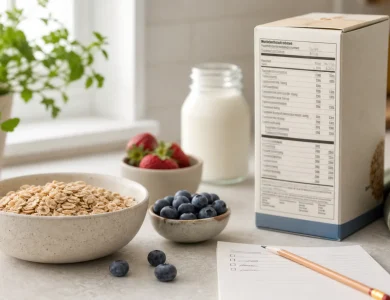
On the Nutrition Facts label, Total Sugars includes natural and added sugars. Added Sugars shows the amount added during processing. The ingredient list can reveal cane sugar, corn syrup, honey or juice concentrate.
Even unsweetened dried blueberries are concentrated in sugar and calories by volume because their water has been removed. Juice generally provides less fiber than whole berries. Favor products listing whole blueberries prominently rather than flavoring, coloring, powder or a small amount of concentrate.
How to choose for your budget and routine
The best value is the blueberry you can store and finish before it spoils.
- For frequent use: Frozen cultivated blueberries usually provide the best balance of nutrition, price and low waste.
- For snacking: Buy fresh berries in amounts you can eat promptly.
- For stronger flavor: Consider frozen wild blueberries if the price difference fits your budget.
- For organic production standards: Look for the USDA Organic seal rather than vague terms such as natural, clean or pesticide-free.
- For the lowest avoidable added sugar: Choose whole fresh or frozen berries with no sweeteners.
Compare prices by weight, not only by package. Account for freezer capacity and expected spoilage. Reject fresh cartons with mold, leakage, crushed fruit or excess moisture, and avoid frozen bags showing signs of thawing or severe clumping.
Storing and serving blueberries
Refrigerate fresh blueberries promptly and remove damaged or moldy fruit. Wash them under running water shortly before eating, then dry gently because lingering moisture encourages spoilage.
For longer storage, freeze sound, completely dry berries in a single layer before transferring them to an airtight freezer container. Use plain fresh or frozen berries in oatmeal, plain yogurt, salads, smoothies or snacks.
Bottom line: Plain frozen cultivated berries usually offer the best everyday value. Choose fresh for texture and immediate eating, or pay more for wild or organic berries when their specific qualities matter to you.
Sources and editorial note
How this article was prepared: This is a general educational comparison, not individualized nutrition or medical advice. Nutrient values vary by cultivar, serving size, storage and processing; check the package label for a specific product.
- USDA FoodData Central — nutrient reference database.
- U.S. FDA: 7 Tips for Cleaning Fruits and Vegetables — food-handling guidance.
- U.S. EPA: Food and Pesticides — how pesticide residues and tolerances are regulated.
If you have a food allergy, kidney disease, diabetes or another condition requiring an individualized diet, consult a qualified clinician or registered dietitian.
Sources last checked: July 25, 2026.